 Your First Trip to Japan: A Custom 10-Day Itinerary
What do I wish I'd known before my first trip to Japan?
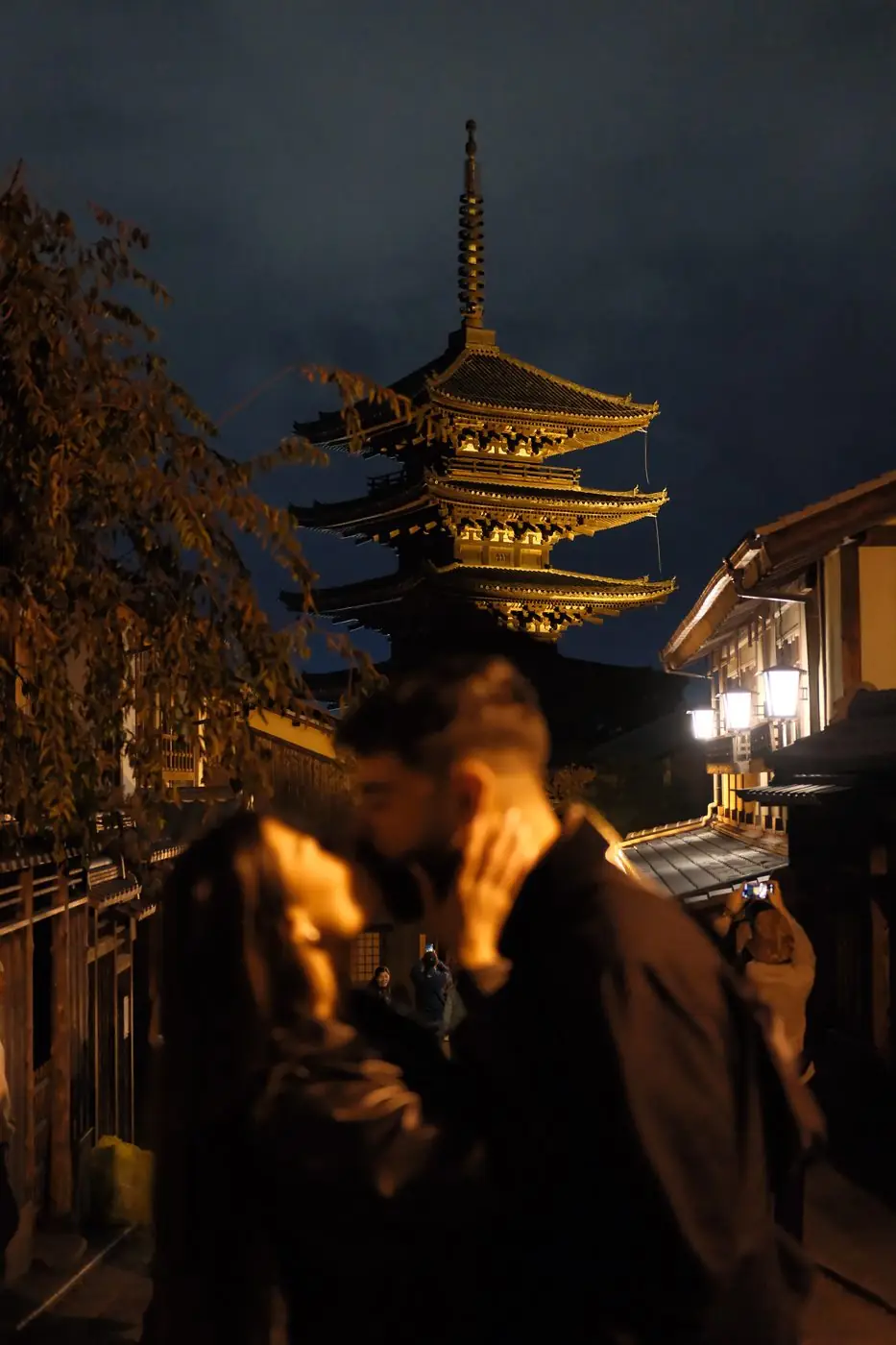
Honestly, that the planning is the hard part, not the trip. Japan runs like clockwork once you're there, but a first-timer can lose half a holiday just working out which train, which platform, which exit out of a station that has thirty of them. My route is the classic three: Tokyo for the neon and the buzz, Kyoto for the temples and quiet lanes (the city that genuinely stole my heart), and Osaka for the food. Ten days is the sweet spot. It's enough to do all three properly without spending every morning dragging a suitcase. The reason I shape it around your actual dates is that a Tuesday in Kyoto and a Sunday in Kyoto are two different cities, and that timing is the difference between a calm temple morning and shuffling through crowds.
The things I'd book before I flew
A few bits genuinely sell out or get much more expensive last-minute, so they're worth sorting early. If you're crossing the country a lot, price up the rail pass before you go and decide honestly whether it pays off for your route, because it isn't always the bargain people assume. Reserve your shinkansen seats rather than gambling on the unreserved carriages in peak season. And if a proper ryokan with a kaiseki dinner is on your list, that's the one thing I'd lock in weeks ahead, because the good rooms in Kyoto go fast. The rest, the day-to-day temples and food streets, you can keep loose.
Where the trip is cheaper than people fear
Food, weirdly. Some of my best meals were a few hundred yen, standing up at a ramen counter or grabbing a katsu sando and an egg sandwich from a 7-Eleven that tasted better than it had any right to. Conveyor-belt sushi, a bowl of gyudon, an Osaka street-food crawl, none of it costs much. The money in Japan goes on beds and on moving between cities, not on eating, so I keep accommodation sensible and let myself enjoy the food. On my first trip I did capsule hotels and convenience-store dinners and still ate brilliantly.
 France
 Switzerland
 Thailand